
Retail as Entertainment: What Gap’s New C-Suite Role Reveals About the Future of Retail
Gap’s appointment of a Chief Entertainment Officer signals a shift towards “fashiontainment” — where retail, culture and entertainment converge. What does that mean for experiential retail, brand storytelling and the future of retail?
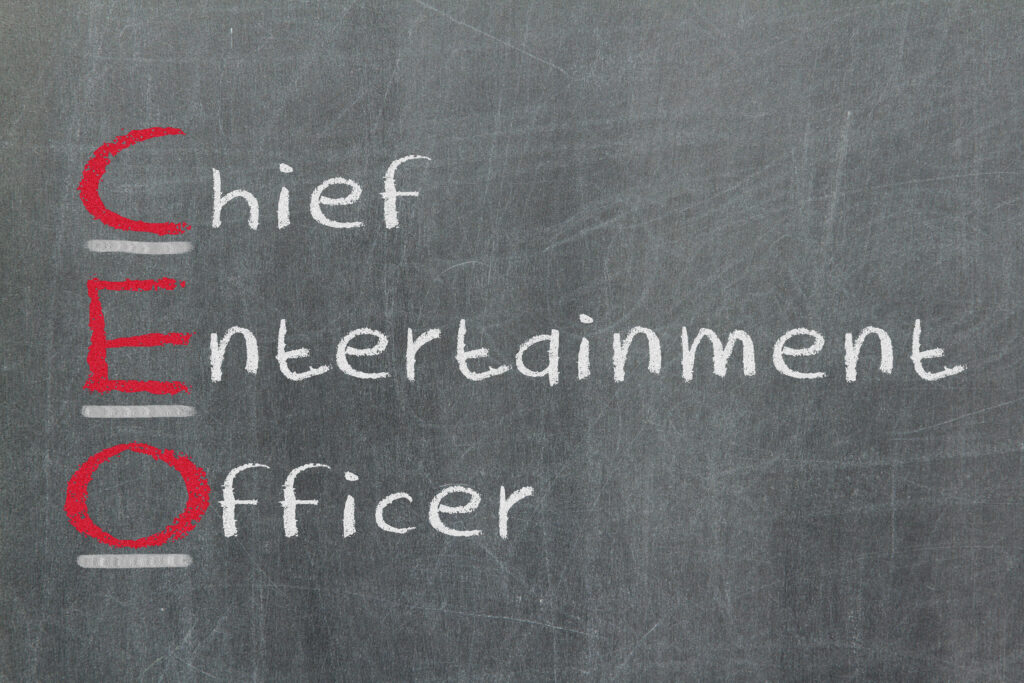
Gap has introduced a new executive role: Chief Entertainment Officer.
At first glance, it may sound like another marketing-adjacent title. But the thinking behind it reflects a much bigger shift across retail.
In January 2026, Gap appointed Pam Kaufman as EVP and Chief Entertainment Officer, tasked with building an entertainment platform across music, film, sport and gaming.
The strategy has a name: “fashiontainment.”
The Rise of “Fashiontainment” in Modern Retail
The move is closely tied to CEO Richard Dickson, who joined Gap after helping drive Mattel’s cultural resurgence, including the Barbie film.
It reflects a broader shift:
Brands no longer compete on product alone.
They compete on attention, relevance and cultural participation.
How Entertainment Is Reshaping the Retail Experience
Gap has already been testing this direction:
– A viral denim campaign with Katseye
– Social buzz from Anne Hathaway wearing a custom Gap dress
These moments drive attention.
But the real opportunity lies in connecting them into a broader narrative, rather than relying on one-off viral spikes.
Why Cultural Relevance Is the New Competitive Advantage
Retail has fundamentally changed.
Brands increasingly behave like media platforms — producing content, collaborating with creators and participating in culture.
Consumers now:
– discover brands through entertainment
– engage through content
– remember brands through experiences
In a crowded market, cultural relevance becomes a key differentiator.
The Future of Experiential Retail: When Stores Become Brand Stages
If brands are becoming cultural platforms, stores must evolve too.
Retail environments are no longer just transactional spaces.
They are stages for storytelling — where content, architecture and product come together to create memorable experiences.
The Cue Gravity Perspective
As retail and entertainment converge, the role of the physical environment becomes more critical.
Immersive retail design – from large-scale LED canvases to dynamic content and spatial storytelling – allows brands to create living environments that evolve with culture.
Instead of static stores, brands can respond in real time to campaigns, collaborations and cultural moments.
Technology is not the story.
It is the canvas.
When used well, it connects storytelling, entertainment and product into a single, cohesive experience.
For brands navigating this shift, the challenge is no longer simply designing stores. It is designing experiences that evolve with culture.